
Roof Inspection in Zebulon, NC
At Golden Roofing, we provide professional roof inspections in Zebulon, NC, for residential and commercial properties, helping homeowners and businesses identify roof damage, leaks, deterioration, and potential problems before they lead to more extensive repairs. Backed by more than 15 years of local roofing experience, our licensed, bonded, and fully insured team evaluates roofing materials, flashing, valleys, vents, penetrations, drainage systems, gutters, and accessible attic or interior areas for signs of water intrusion, storm damage, installation concerns, and normal wear.
Our residential and commercial roof inspections can include roof leak detection, storm damage assessments, insurance claim documentation, real estate roof evaluations, and inspections of aging roofing systems. We inspect asphalt shingles, metal roofing, and flat or low-slope roofing systems while considering drainage, previous repairs, weather exposure, and the overall condition of the roof.
As GAF- and CertainTeed-certified installers, we provide clear findings and practical recommendations based on the condition of your roofing system. Whether your roof needs preventive maintenance, a localized repair, replacement, or continued monitoring, we'll explain what we find and help you determine the appropriate next step.
Roof Inspection in Zebulon, NC
At Golden Roofing, we provide professional roof inspections in Zebulon, NC, for residential and commercial properties, helping homeowners and businesses identify roof damage, leaks, deterioration, and potential problems before they lead to more extensive repairs. Backed by more than 15 years of local roofing experience, our licensed, bonded, and fully insured team evaluates roofing materials, flashing, valleys, vents, penetrations, drainage systems, gutters, and accessible attic or interior areas for signs of water intrusion, storm damage, installation concerns, and normal wear.
Our residential and commercial roof inspections can include roof leak detection, storm damage assessments, insurance claim documentation, real estate roof evaluations, and inspections of aging roofing systems. We inspect asphalt shingles, metal roofing, and flat or low-slope roofing systems while considering drainage, previous repairs, weather exposure, and the overall condition of the roof.
As GAF- and CertainTeed-certified installers, we provide clear findings and practical recommendations based on the condition of your roofing system. Whether your roof needs preventive maintenance, a localized repair, replacement, or continued monitoring, we'll explain what we find and help you determine the appropriate next step.
Residential And Commercial Roof Services
Residential And Commercial Roof Services
Residential Roof Inspections
We inspect asphalt shingles, metal roofing, tile, flashing, chimneys, skylights, gutters, and attic ventilation. Our process looks for lifted or missing shingles, granule loss, soft decking, water stains, algae growth, storm damage, and areas where poor drainage can affect the roof system.
We also check roof penetrations and sealants around vents, pipes, and skylights. After the inspection, we explain which conditions require prompt attention and which items can receive routine monitoring. We provide honest inspections and free estimates when repairs appear necessary.
Our manufacturer-certified installers work with GAF and CertainTeed roofing systems and can help homeowners understand applicable material warranties. When storm damage affects a property, we can assist with insurance documentation and claim-related questions. Emergency service remains available for active leaks and urgent damage.
Commercial Roof Inspections
We inspect commercial roofing systems based on their materials, design, drainage, and use. Evaluations may include low-slope membranes, modified bitumen, metal panels, roof coatings, flashing, parapet walls, penetrations, drains, and rooftop equipment supports.
Our team identifies membrane splits, ponding water, exposed fasteners, seam failures, blocked drains, punctures, and moisture intrusion. We document conditions that could interrupt business operations and recommend repair, maintenance, or replacement options according to the roof’s condition and the building’s needs.
Licensed and insured service helps protect property owners, tenants, and facility managers during inspections. We maintain clean job sites, communicate findings clearly, and use premium roofing materials for approved repairs. Manufacturer warranties and our 40-year workmanship warranty may apply to qualifying work.
What A Professional Assessment Includes
Roofing Materials And Surface Condition
We assess roofing materials, flashing, valleys, penetrations, drainage, accessible decking and attic areas, and interior evidence of water intrusion to identify damage, deterioration, installation concerns, and conditions that may affect the roof's performance.
Our goal is to document what we can observe, identify areas that require attention, and help you understand whether the appropriate next step is preventive maintenance, localized repair, continued monitoring, or roof replacement.
Flashing, Valleys And Roof Penetrations
Flashing directs water away from joints and vulnerable transitions. We inspect step flashing along walls, counterflashing at masonry, apron flashing near roof-to-wall intersections, and flashing around chimneys, skylights, dormers, and other changes in roof elevation.
Valleys receive concentrated runoff, so we check for lifted materials, open seams, corrosion, debris accumulation, and damaged underlayment. Poorly sealed valleys can allow water beneath otherwise serviceable roofing.
We also examine plumbing vent boots, exhaust vents, satellite mounts, HVAC penetrations, and other openings. Cracked rubber boots, loose metal, deteriorated sealant, or exposed fasteners can create localized leaks that may not appear inside the home immediately.
Roof Decking And Structural Warning Signs
The roof deck supports the roofing assembly, so we look for visible sagging, uneven planes, soft areas, displaced materials, and signs of prolonged moisture exposure. We do not assume that a surface stain identifies the full extent of damage beneath the roofing system.
Where safe and accessible, we assess decking from the roof surface or attic. We note deterioration near valleys, eaves, penetrations, and areas below recurring leaks. Spongy decking, rusted fasteners, or fungal growth can indicate moisture intrusion or inadequate ventilation.
We also watch for structural warning signs such as bowed roof lines, separated ridge components, damaged trusses, and ceiling movement. If conditions suggest a structural concern beyond roofing work, we recommend evaluation by an appropriately qualified professional.
Gutters, Roof Drainage And Ponding Water
We inspect gutters, downspouts, extensions, splash blocks, drainage outlets, and the roof edges that feed them. Clogged or undersized drainage components can cause overflow against fascia, siding, foundations, and landscaping.
We check for sagging gutters, loose hangers, corrosion, separated joints, and downspouts that discharge too close to the structure. We also look for leaves, pine needles, shingle granules, and other debris that can restrict flow.
Low-slope sections require particular attention because water may remain after rainfall. We document ponding, blocked drains, inadequate slope, and membrane deterioration where visible. Standing water can accelerate material wear and may point to drainage or structural issues that require targeted correction.
Attic And Interior Signs Of Roof Leaks
We inspect accessible attic spaces for water staining, damp insulation, mold-like growth, rusted nails, damaged wood, daylight through the roof deck, and wet or compressed insulation. We compare these observations with exterior conditions to help identify likely entry points.
Inside the home, we check ceilings, upper-wall corners, skylight areas, fireplaces, and rooms beneath roof penetrations for discoloration, peeling paint, bubbling drywall, and musty odors. A dry surface does not rule out an intermittent leak, especially after wind-driven rain.
We also observe ventilation components, including soffit intake paths, ridge vents, gable vents, and powered exhaust fans. Poor airflow can increase heat and moisture levels in the attic, contributing to premature material deterioration and condensation-related staining.
Leak Detection And Source Identification
Finding The Source Of A Roof Leak
Water often travels along rafters, roof decking, insulation, or wall cavities before it appears indoors. We inspect the area above the stain, then evaluate nearby shingles, underlayment, flashing, pipe boots, roof valleys, chimneys, skylights, and ventilation components.
Our inspectors look for missing or lifted shingles, exposed fasteners, cracked sealant, damaged flashing, granule loss, and deteriorated decking. We also check gutters and downspouts because overflow can send water behind fascia or beneath the roof edge.
During a detailed inspection, we compare exterior findings with attic conditions and interior evidence. We document the damage clearly and explain whether the roof needs a targeted repair, maintenance, or further evaluation. As a locally owned, licensed, bonded, and fully insured company, we can also help organize documentation for an insurance claim when storm damage contributes to the leak.
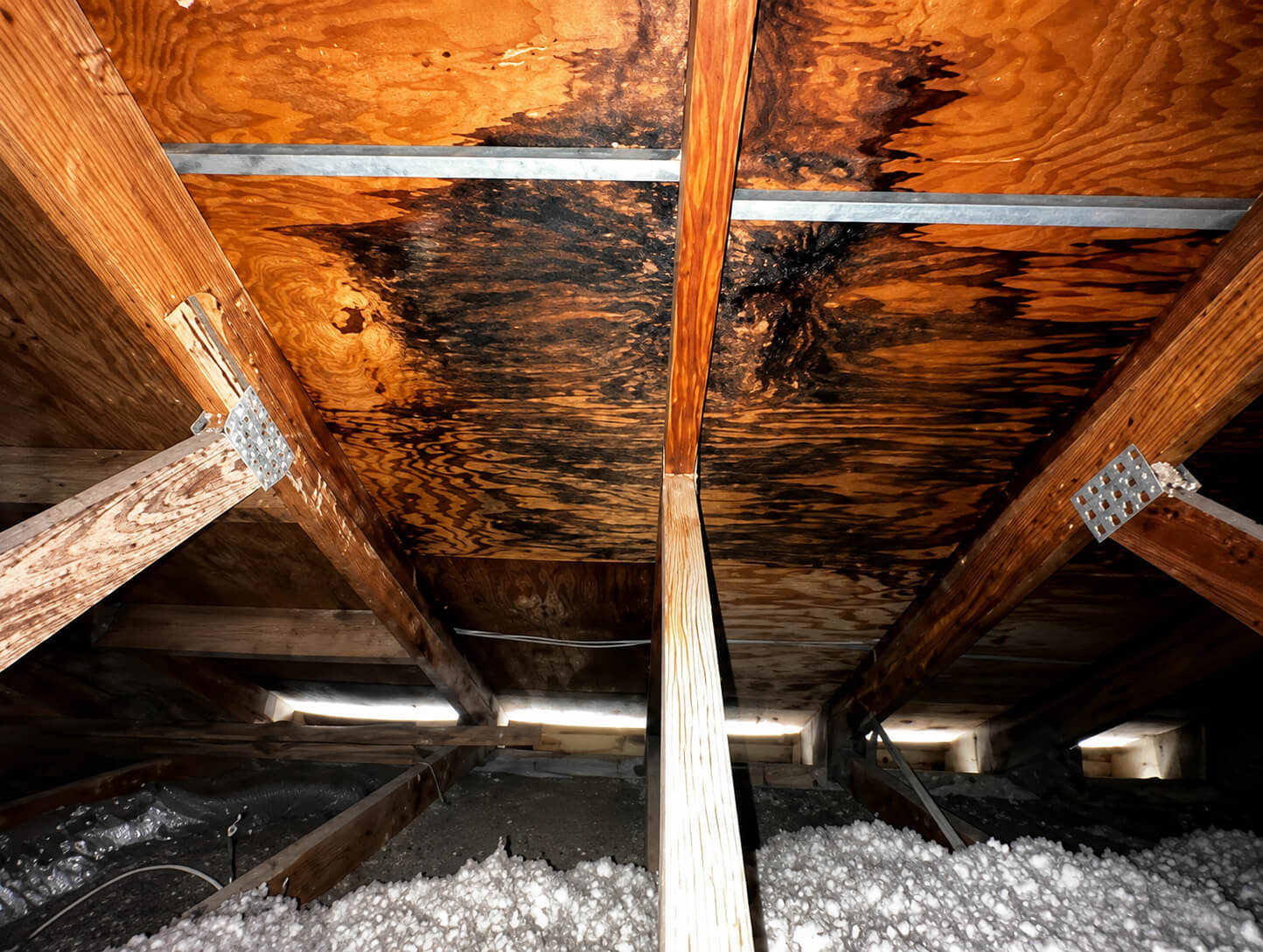
Signs Of Hidden Roof Leaks
A leak may remain hidden until moisture damages insulation, framing, drywall, or electrical components.
Things to watch for:
Brown or yellow ceiling stains
Peeling paint or bubbling drywall
Damp attic insulation
Musty odors
Dark wood or fungal growth
Sagging ceiling areas
Dripping near light fixtures
Unexplained increases in indoor moisture
Some leaks appear only during wind-driven rain or after heavy storms. A dry ceiling does not prove that the roof has no active moisture problem, particularly when water has entered the attic but has not yet reached the finished interior.
We use visual inspection and moisture-focused evaluation to separate active leaks from older stains. If we find unsafe electrical conditions, saturated insulation, or structural deterioration, we identify those concerns clearly and recommend the appropriate next step.
Storm Damage Assessments
Wind Storm Inspection
High winds can lift, loosen, crease, or remove shingles; damage ridge caps; displace flashing; and expose fasteners or underlayment to moisture. Around chimneys, skylights, roof edges, and roof-to-wall transitions, even minor movement can create openings that allow wind-driven rain beneath otherwise intact roofing materials. In Zebulon, storms can also carry branches and debris across the roof, causing punctures, abrasion, or impact damage that may not be visible from the ground.
During a wind damage roof inspection, we evaluate roof slopes, ridges, valleys, eaves, flashing, penetrations, vents, and edge details for signs of movement or damage. We also look for lifted or creased shingles, broken seal strips, displaced materials, exposed fasteners, and conditions that could compromise the roof's ability to shed water.
Related exterior components, including gutters, downspouts, soffits, fascia, and accessible siding, may also provide evidence of how the property was affected by the storm. We photograph relevant conditions and distinguish visible storm damage from normal aging, previous repairs, installation concerns, and long-term deterioration whenever possible.
If damage is found, we explain whether localized repairs, temporary protection, continued monitoring, or more extensive roofing work may be appropriate. We can also provide documentation of observed conditions for homeowners navigating an insurance claim.
Hail Damage Inspection
Hail can affect asphalt shingles, metal roofing, flashing, vents, skylights, gutters, and other exposed roof components. Depending on hail size, wind speed, roofing material, roof slope, and the age of the system, impact damage can range from readily visible dents to subtle deterioration that is difficult to identify from ground level.
During a hail damage roof inspection, we examine asphalt shingles for concentrated granule displacement, bruising, fractures, exposed matting, and other impact-related conditions. Metal flashing, vents, gutters, downspouts, and other exposed surfaces may also be evaluated for dents or impact patterns that provide additional context about the storm.
Not every mark on a roof is evidence of hail damage. Normal granule loss, foot traffic, manufacturing characteristics, previous weather exposure, and age-related deterioration can sometimes resemble storm impacts. Our team documents observable conditions and explains whether they appear consistent with hail, normal wear, or another cause without overstating the extent of damage.
When appropriate, photographs and inspection findings can help document the roof's condition for an insurance carrier. Golden Roofing can explain potential repair or replacement options if damage is identified, while insurance coverage and claim decisions remain with the property owner's carrier.
Hail can affect asphalt shingles, metal roofing, flashing, vents, skylights, gutters, and other exposed roof components. Depending on hail size, wind speed, roofing material, roof slope, and the age of the system, impact damage can range from readily visible dents to subtle deterioration that is difficult to identify from ground level.
During a hail damage roof inspection, we examine asphalt shingles for concentrated granule displacement, bruising, fractures, exposed matting, and other impact-related conditions. Metal flashing, vents, gutters, downspouts, and other exposed surfaces may also be evaluated for dents or impact patterns that provide additional context about the storm.
Not every mark on a roof is evidence of hail damage. Normal granule loss, foot traffic, manufacturing characteristics, previous weather exposure, and age-related deterioration can sometimes resemble storm impacts. Our team documents observable conditions and explains whether they appear consistent with hail, normal wear, or another cause without overstating the extent of damage.
When appropriate, photographs and inspection findings can help document the roof's condition for an insurance carrier. Golden Roofing can explain potential repair or replacement options if damage is identified, while insurance coverage and claim decisions remain with the property owner's carrier.
Roof Inspections After Severe Weather
Severe thunderstorms, high winds, hail, tropical systems, and tornado activity can affect a roofing system even when there is no immediate interior leak. After significant weather in Zebulon, a storm damage roof inspection can help identify missing or displaced materials, damaged flashing, punctures, drainage problems, and other conditions that could allow water intrusion during future rainfall.
From the ground, property owners may notice missing shingles, fallen branches, displaced flashing, damaged gutters, debris on the roof, or unusual roof areas. For safety, homeowners should avoid climbing onto a storm-damaged roof and stay away from fallen trees, unstable structures, and downed power lines.
Our inspection evaluates safely accessible roof surfaces, ridges, valleys, penetrations, flashing, edges, drainage components, and other areas susceptible to storm damage. When appropriate and accessible, attic or interior areas may also be checked for water staining, moisture intrusion, or other evidence that the roofing system has been compromised.
We photograph significant findings and explain which conditions require immediate attention and which can be repaired, monitored, or evaluated further. If the roof has an active leak or exposed area, emergency service and temporary protection may be available to help limit additional water intrusion while permanent repairs are planned.
Insurance Claim Documentation
Documenting Roof Damage
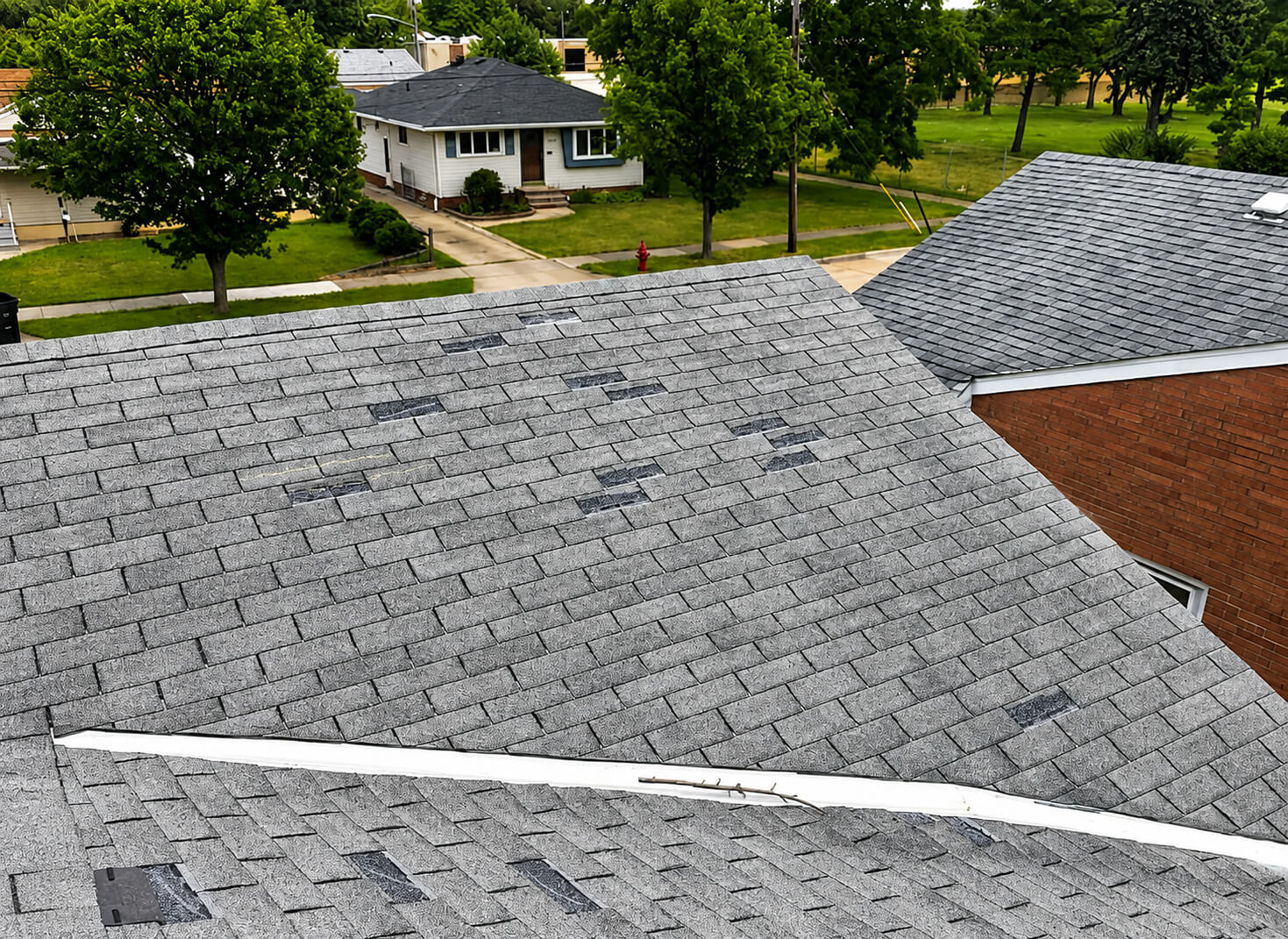
When storm damage is suspected, we begin with a safety-focused inspection of the roofing system and document observable conditions that may affect its performance. Depending on the property and type of damage, we evaluate shingles or other roofing materials, flashing, ridge caps, valleys, vents, pipe boots, skylights, gutters, roof edges, penetrations, and visible decking or structural concerns.
Our documentation may include dated photographs, close-up images of damaged components, wider roof and property views, measurements, and written notes identifying affected areas. We look for conditions associated with wind, hail, fallen branches, wind-driven rain, and other severe weather while also noting visible aging, previous repairs, installation concerns, or pre-existing deterioration when relevant.
When active leaks or exposed roof areas require immediate attention, temporary measures such as emergency tarping may help limit additional water intrusion until permanent repairs can be completed. We can document these conditions before temporary protection is installed and provide information about the emergency work performed.
Following the inspection, we explain our findings and identify roof sections or components that may require repair, replacement, continued monitoring, or further evaluation. Photographs and written findings can also provide useful roofing documentation when a property owner chooses to file an insurance claim.
Insurance Claim Assistance
Golden Roofing can assist property owners with the roofing and construction-related portions of an insurance claim by providing inspection photographs, damage documentation, repair or replacement estimates, material information, and other relevant roofing details. Our team explains what we observed in straightforward terms so homeowners and commercial property owners have a clear understanding of the roof's condition and recommended work.
When appropriate, we can communicate with the property owner and meet with an insurance adjuster at the property when scheduling permits. This allows us to answer roofing-specific questions, identify documented areas of concern, and discuss the scope of work that may be required to restore the roofing system.
Golden Roofing does not determine insurance coverage, interpret policy benefits, or make claim decisions. Coverage and payment decisions are made by the insurance carrier according to the terms of the property owner's policy. Our role is to provide accurate roofing information, document observable conditions, and explain the construction work we recommend.
If repair or replacement moves forward, our manufacturer-certified installers work with premium roofing materials, including GAF and CertainTeed systems where applicable. Before work begins, we explain the proposed scope, material options, and available manufacturer and workmanship warranty coverage. Our 10-year workmanship warranty applies to qualifying work, helping provide continued protection after the project is complete.
Roof Inspections for Real Estate Transactions
A professional roof inspection can help identify repair needs, aging materials, storm damage, drainage concerns, and visible signs of moisture intrusion before important real estate deadlines. Golden Roofing provides documented roof inspections for buyers and sellers in Zebulon, with photographs and clear recommendations that help clarify the roof’s current condition and potential roofing expenses.
Roof Inspections for Home Buyers
A pre-purchase roof inspection gives buyers a closer look at one of the property’s most expensive systems before completing a home purchase. We evaluate accessible roofing components for visible damage, deterioration, installation concerns, and conditions that could require maintenance, repair, or replacement.
Depending on the property and accessibility, our inspection may include:
Shingles or other roof coverings
Flashing, valleys, and roof transitions
Pipe boots, vents, skylights, and other penetrations
Ridge, eaves, and roof edges
Gutters and visible drainage conditions
Fascia and related exterior components
Visible hail, wind, or storm damage
Attic areas for visible leaks, staining, moisture, and ventilation concerns
Our findings distinguish routine maintenance from conditions that may warrant prompt repair or further evaluation. We also document visible aging, previous repairs, installation concerns, and damage that could influence a buyer’s anticipated roofing costs.
Buyers receive photographs and straightforward recommendations they can review with their real estate agent when discussing repairs, seller credits, or other contract terms. A roofing inspection is focused specifically on the roofing system and does not replace a complete home inspection, structural evaluation, or specialized environmental or moisture testing.
Pre-Listing Roof Inspections for Home Sellers
A pre-listing roof inspection can help sellers discover roofing concerns before a buyer’s inspection brings them into negotiations. We evaluate the roof’s visible condition and identify maintenance needs, active or potential leak sources, storm damage, deteriorated materials, and other conditions that may deserve attention before the property is listed.
Following the inspection, we explain which conditions may benefit from repair and provide photographs and documentation of our findings. When roofing work is recommended, we can provide a free estimate so sellers can evaluate whether completing the work before listing makes sense.
Addressing known roofing problems in advance can help sellers:
Reduce unexpected issues during due diligence
Document completed roof repairs or maintenance
Provide buyers with clearer information about the roof
Prepare for repair or credit negotiations
Identify potential storm damage before the transaction progresses
If qualifying storm damage appears to be present, we can also explain the roofing damage and provide documentation that may be useful when discussing the situation with an insurance carrier. Coverage, claim decisions, and reimbursement remain subject to the homeowner’s policy and insurer.
Repair or Replacement Decisions
Our inspection findings help Zebulon property owners determine whether a targeted roof repair can reliably correct the problem or whether roof replacement offers better long-term value. We consider the extent of damage, roof age, material condition, previous repairs, leak history, and estimated remaining useful life before recommending the most practical approach.
When Roof Repair May Be Appropriate
Roof repair is often the most cost-effective option when damage is isolated and the surrounding roofing system remains in good condition. A localized repair can stop water intrusion, restore damaged components, and extend the useful life of the roof without the expense of premature replacement.
Repair may be appropriate for conditions such as:
Missing, lifted, or wind-damaged shingles
Small or isolated roof leaks
Damaged flashing around chimneys, walls, or roof transitions
Worn or cracked pipe boots and roof penetrations
Limited hail or impact damage
Minor ventilation or drainage problems
Isolated damage from fallen branches or debris
Roof age matters as well. Replacing several damaged shingles on an otherwise sound asphalt shingle roof may provide years of additional service, while repeatedly repairing an older, deteriorating roof may offer diminishing value.
Roof age matters as well. Replacing several damaged shingles on an otherwise sound asphalt shingle roof may provide years of additional service, while repeatedly repairing an older, deteriorating roof may offer diminishing value.
When Roof Replacement May Be Appropriate
A complete roof replacement may provide greater value when deterioration or damage affects a significant portion of the roofing system, repairs have become increasingly frequent, or underlying components can no longer provide reliable protection.
Replacement may be recommended when we find:
Widespread curling, cracking, blistering, or granule loss
Extensive hail or wind damage across multiple roof slopes
Recurring leaks in different areas of the building
Numerous previous repairs or deteriorated patches
Soft, damaged, or sagging roof decking
Persistent attic moisture or evidence of long-term water intrusion
Roofing materials approaching or exceeding their expected service range
We evaluate more than the visible shingles. Ventilation, flashing, underlayment, roof decking, penetrations, and drainage all influence whether another repair is worthwhile or a new roofing system provides the more dependable solution.
Why Choose Golden Roofing for Roof Inspections?
With more than 15 years of roofing experience, Golden Roofing provides professional roof inspections for homeowners, businesses, property buyers, and sellers throughout Zebulon, NC. As a locally owned and operated roofing company, we combine hands-on roofing expertise with straightforward recommendations so you can understand your roof’s condition and make informed decisions about repairs, replacement, or ongoing maintenance.
Our team is licensed, bonded, and fully insured, with workers’ compensation coverage for the professionals working on your property. Our GAF and CertainTeed manufacturer certifications provide additional product and installation knowledge across asphalt shingle and other roofing systems commonly found on residential and commercial properties.
Whether you need a routine roof assessment, leak investigation, storm damage inspection, real estate roof inspection, or an evaluation before planning repairs, we document visible conditions and explain what deserves attention now, what can be monitored, and what options are available.
Property owners choose Golden Roofing for:
15+ years of roofing experience
Licensed, bonded, and fully insured service
Workers’ compensation coverage
GAF and CertainTeed manufacturer certifications
Residential and commercial roof expertise
Detailed findings and practical recommendations
Storm damage and insurance claim assistance
Emergency roofing services when needed
Free estimates for recommended roofing work
Premium roofing materials and proven installation methods
Clean, professionally managed job sites
10-year workmanship warranty on qualifying work
Applicable manufacturer warranty coverage
Proudly Serving Other Cities
We provide complimentary roof inspections for residential and commercial properties throughout the Triangle and central North Carolina. Our service area includes Zebulon and nearby communities, where we provide, estimates, installation, repairs, and storm-damage support.
We also serve:
Wendell
Knightdale
Rolesville
Wake Forest
Raleigh
Clayton
Garner
Youngsville
Louisburg
Frequently Asked Questions
How often should a residential roof be inspected in Zebulon, NC?
We recommend inspecting a residential roof at least once a year, especially after the region’s thunderstorms, high winds, hail, or tropical weather. Schedule an additional inspection before buying or selling a home and after any event that may have damaged shingles, flashing, vents, or gutters.
What does a professional roof inspection from Golden Roofing include?
We examine the roof surface, shingles, flashing, pipe boots, vents, valleys, chimney areas, gutters, and visible drainage components. We also look for leaks, moisture indicators, granule loss, lifted or missing shingles, improper installation, and signs of aging.
Our team provides an honest assessment with clear findings and photographs when appropriate. If repairs are needed, we explain the recommended work; if the roof remains serviceable, we do not recommend replacement without a sound reason.
Can a roof inspection identify storm, wind, hail, or hurricane-related damage?
Yes. We look for wind-lifted or missing shingles, creased tabs, hail impacts, exposed underlayment, damaged flashing, fallen limbs, and other storm-related defects. Some damage remains subtle, so a professional inspection can help identify issues that may not appear from the ground.
We also check nearby roof sections and exterior components for related damage. Emergency service may be available when a storm creates an active leak or an immediate risk to the building.
What signs indicate that my asphalt shingle roof may need repairs or replacement?
Warning signs include missing, cracked, curled, blistered, or loose shingles; exposed nails; damaged flashing; recurring leaks; water stains; sagging areas; and excessive granule accumulation in gutters. Moss or algae can also signal moisture retention, although these conditions do not always require roof replacement.
We consider the roof’s age, remaining shingle life, ventilation, installation quality, and the extent of damage. Localized defects may require repairs, while widespread deterioration or repeated leaks may justify replacement.
Will a roof inspection help document damage for an insurance claim?
Our inspection can provide photographs, written observations, and a description of visible damage that may help support an insurance claim. We can explain what we found and assist with the roofing portion of the claim process, but the insurer determines coverage.
Policy requirements and deadlines vary. We recommend contacting your insurance company promptly after suspected storm damage and avoiding permanent repairs, when safe, until the damage has been documented.
How long does a typical roof inspection take?
Many residential inspections take about 45 to 90 minutes, depending on the roof’s size, pitch, accessibility, number of roof sections, and visible damage. Complex homes, steep roofs, and storm assessments may require more time.
We review the findings with you and explain recommended next steps. Golden Roofing serves residential and commercial properties, uses manufacturer-certified installation knowledge, and provides free estimates when repair or replacement work is appropriate.



Quick Links
Contact Info
Phone: 984-207-1118
Email: [email protected]
Hours
Monday - Friday: 8am - 8pm
Saturday - 8am - 6pm
Sunday - Closed
Quick Links
Contact Info
Phone:
984-207-1118
Email:
Hours:
Monday - Friday: 8am - 8pm
Saturday: 8am- 6pm
Sunday: Closed